There’s a quiet shift happening across the Hudson River — and it has the potential to shape real estate demand in meaningful ways.
According to a recent article in The Hollywood Reporter, film and television production in New Jersey is surging in early 2026, even as overall U.S. production has experienced a slowdown. The state has seen a significant increase in projects choosing New Jersey as their production home, supported by tax incentives, expanding studio infrastructure, and proximity to New York City’s talent pool.
For those of us who have worked in television, this trend feels familiar. Production tends to move where opportunity, infrastructure, and financial incentives align. Once momentum builds, it often creates ripple effects well beyond the entertainment industry.
And real estate is often one of the first sectors to feel that impact.
Why Film Production Impacts Housing
Film and television productions bring more than cameras and crews — they bring people.
Producers, writers, editors, designers, talent, executives, and support staff frequently relocate or spend extended periods in production hubs. Some are temporary residents, while others transition into longer-term housing once consistent work opportunities emerge.
In many ways, production growth functions similarly to corporate relocation activity. When studios expand their footprint, local economies typically see increased demand for housing, restaurants, services, and lifestyle amenities.
New Jersey’s appeal is particularly strong because of its unique positioning:
• Immediate proximity to Manhattan
• More flexible space options for studios and sound stages
• Competitive tax incentive programs
• Growing infrastructure designed to support long-term production growth
As a result, the state is increasingly being viewed as a strategic extension of the New York media ecosystem.
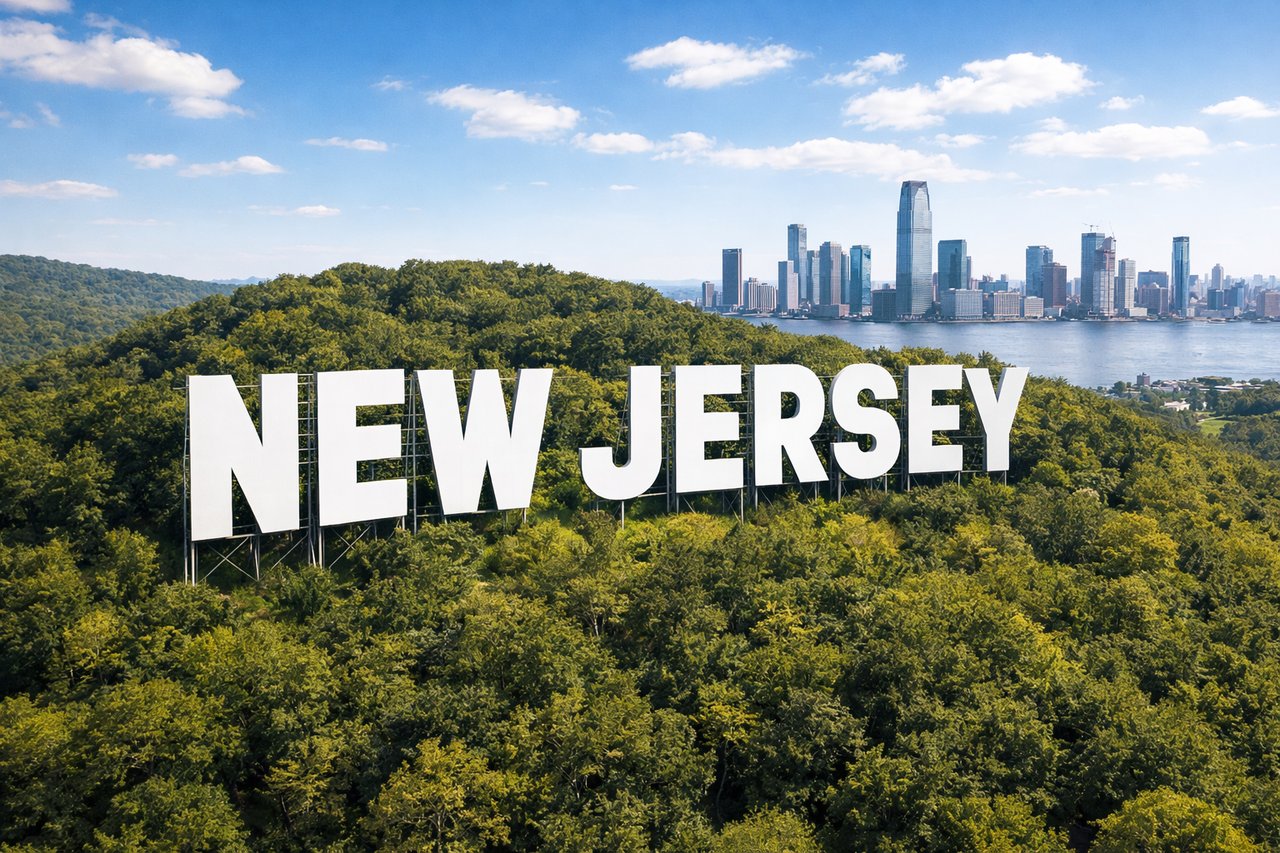
The “Hollywood East” Effect
Industry observers have increasingly referred to the region as a potential “Hollywood East,” reflecting the continued investment from major studios and streaming platforms. With content production remaining a priority for entertainment companies, geographic diversification of production locations has become more common.
While New York City remains a global hub for media and culture, nearby New Jersey offers logistical advantages that make large-scale productions easier to execute.
Over time, these shifts can influence where creative professionals choose to live — and where new housing demand begins to concentrate.
What This Means for the Regional Market
When new industries expand in a region, housing demand often follows patterns that prioritize:
• Accessibility to major transit hubs
• Proximity to New York City
• Lifestyle-driven neighborhoods with walkability and amenities
• Modern buildings that offer flexibility for hybrid work schedules
For buyers, renters, and investors, these trends can create opportunities to enter markets experiencing increased attention before pricing fully reflects long-term growth.
While real estate is always influenced by broader economic conditions such as interest rates and employment trends, local industry expansion can serve as an additional indicator of future demand patterns.
A Personal Perspective
Having spent years producing television, I’ve seen firsthand how production hubs evolve. What often begins as a cost-saving decision can eventually transform into a long-term industry presence.
The growth of film and television production in New Jersey is not simply an entertainment headline — it is also a signal of continued investment in the broader regional economy.
As the relationship between media, technology, and real estate continues to evolve, these types of developments offer insight into where future housing demand may emerge.
Understanding these shifts early can help buyers, renters, and investors make more informed decisions in an increasingly dynamic market.